Usable Existing Materials
The roof must have material worth retaining. Wet, badly damaged, or unstable areas need attention.
Commercial roofing · Northern Arizona
Explore the coating and roofing services we offer for commercial buildings, with clear explanations of where each option fits.
Get A Free Estimate
Metal describes an existing roof material; silicone and acrylic describe coating types. Spray foam roofing includes an insulation layer and a protective coating. A project may combine several of these services, depending on the existing roof and the repairs it needs.
We inspect the roof and explain which repairs and preparation are needed before recommending a system. For commercial asphalt shingles, treatment restrictions require a separate assessment rather than routine coating advice.
Use the guides below to compare the work involved and the questions to ask about your building.
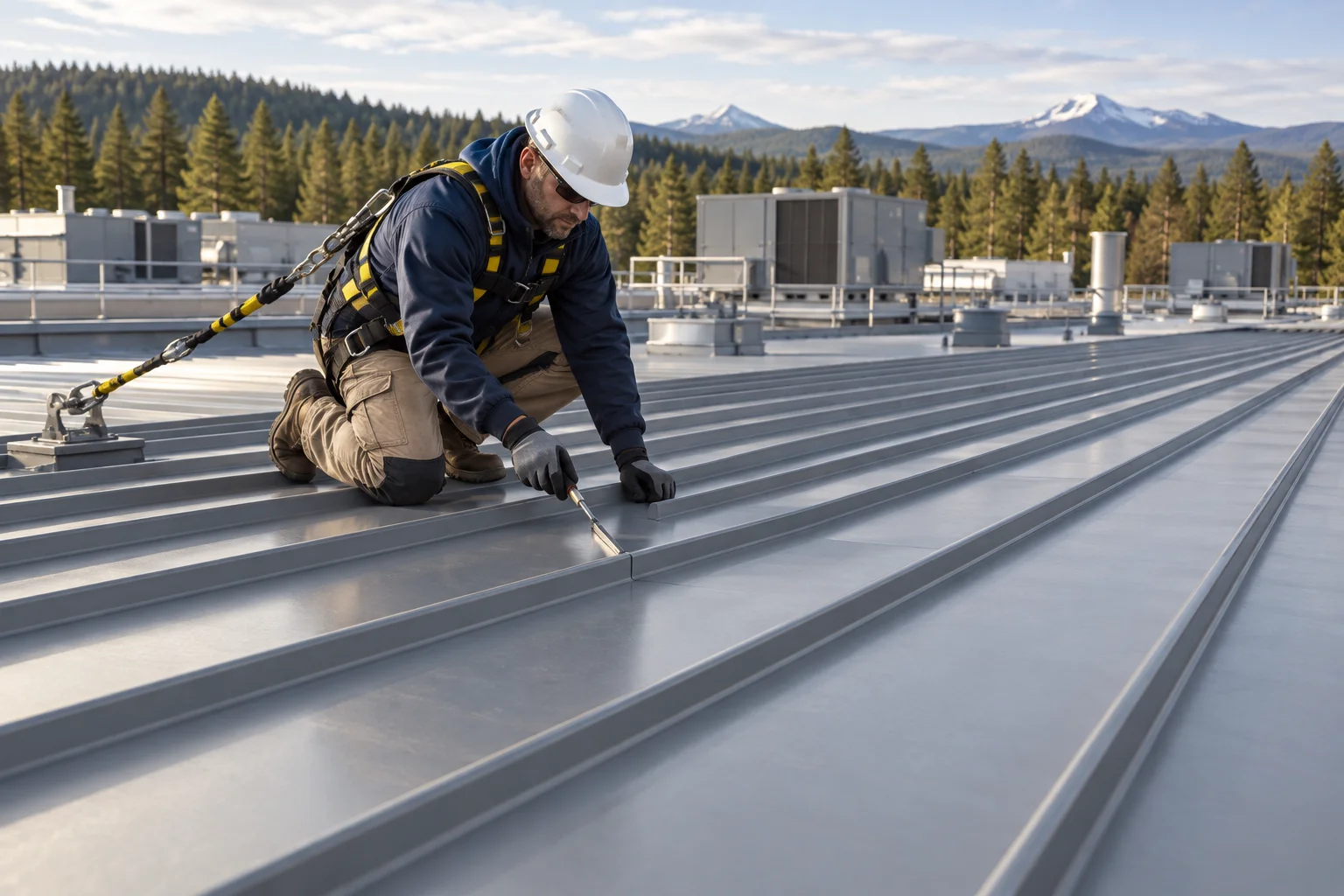
Repair seams and fasteners, address rust, and coat metal panels that remain in usable condition.
Explore the service ↗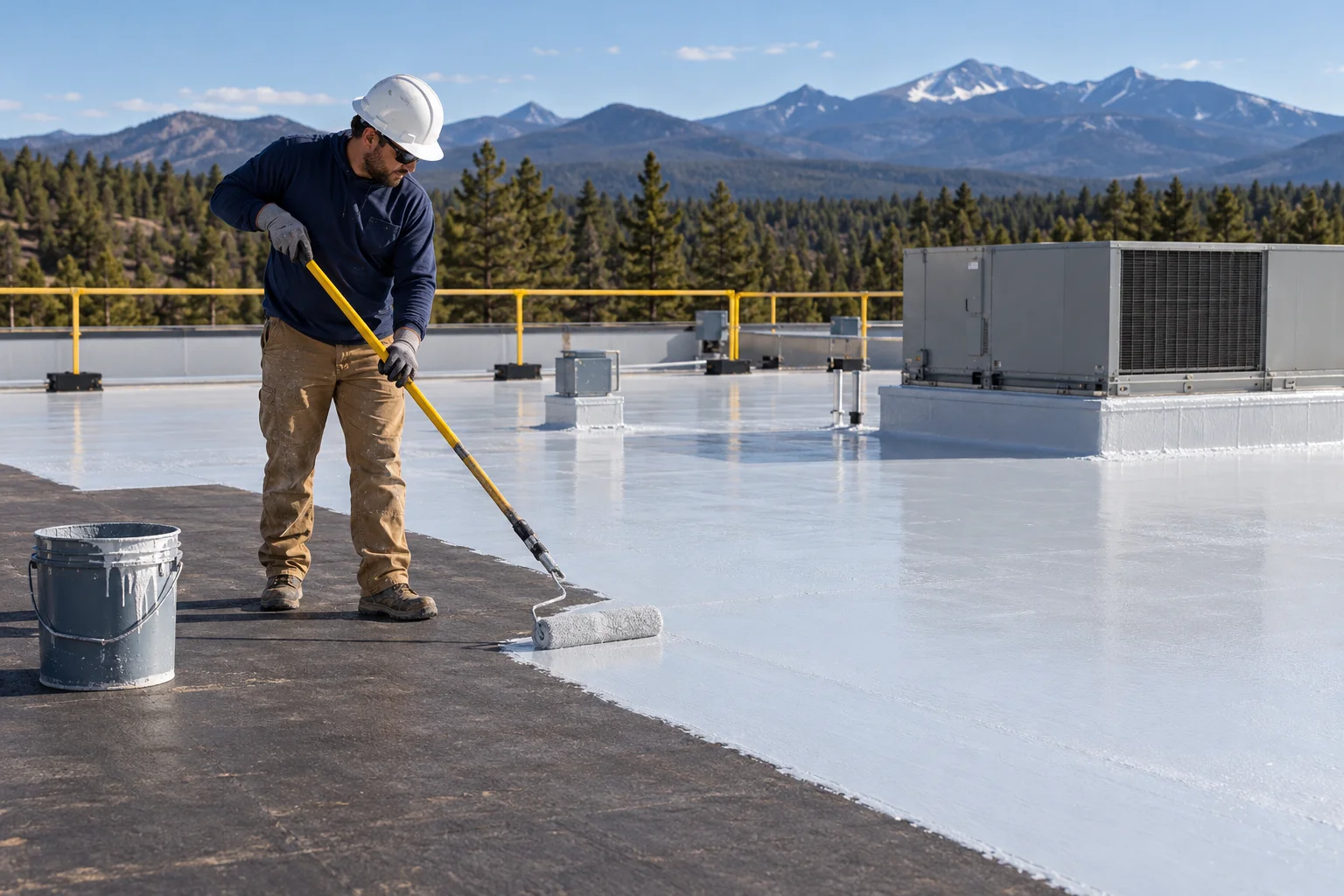
Restore a compatible roof with a silicone system selected for its surface and water exposure.
Explore the service ↗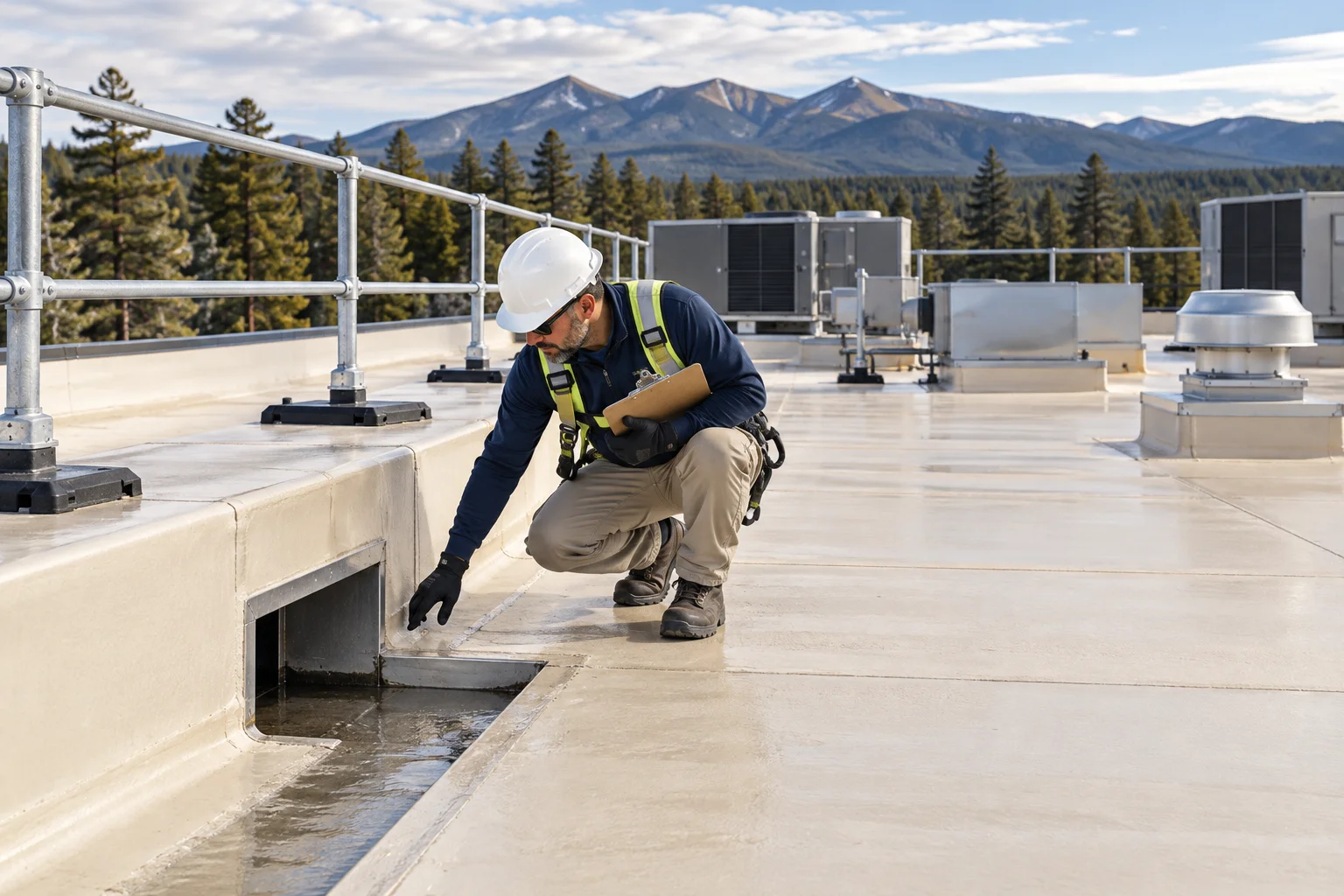
Renew suitable roof surfaces with an acrylic coating where drainage and drying conditions allow.
Explore the service ↗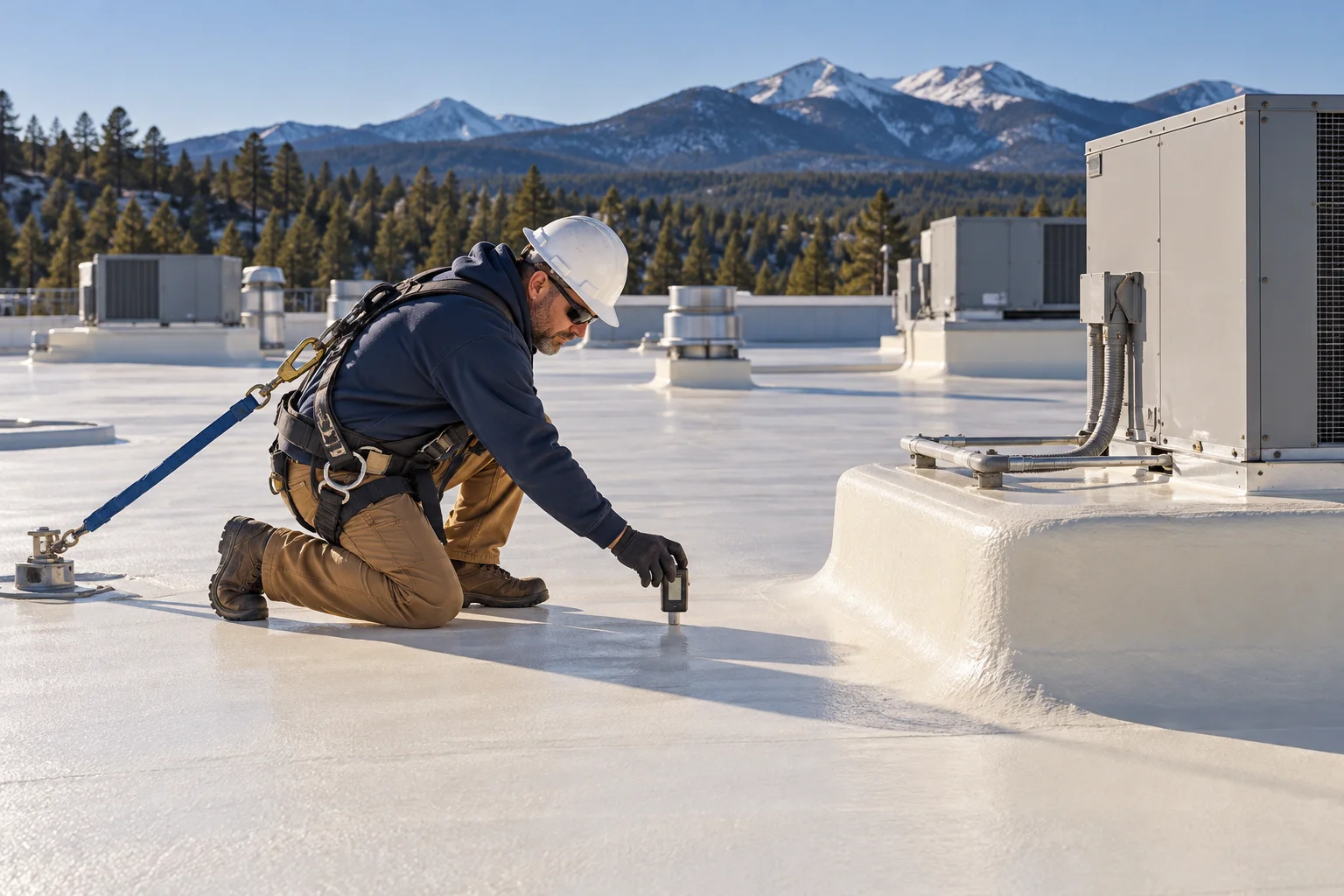
Compare a new insulated foam roof with repairs and recoating of an existing foam system.
Explore the service ↗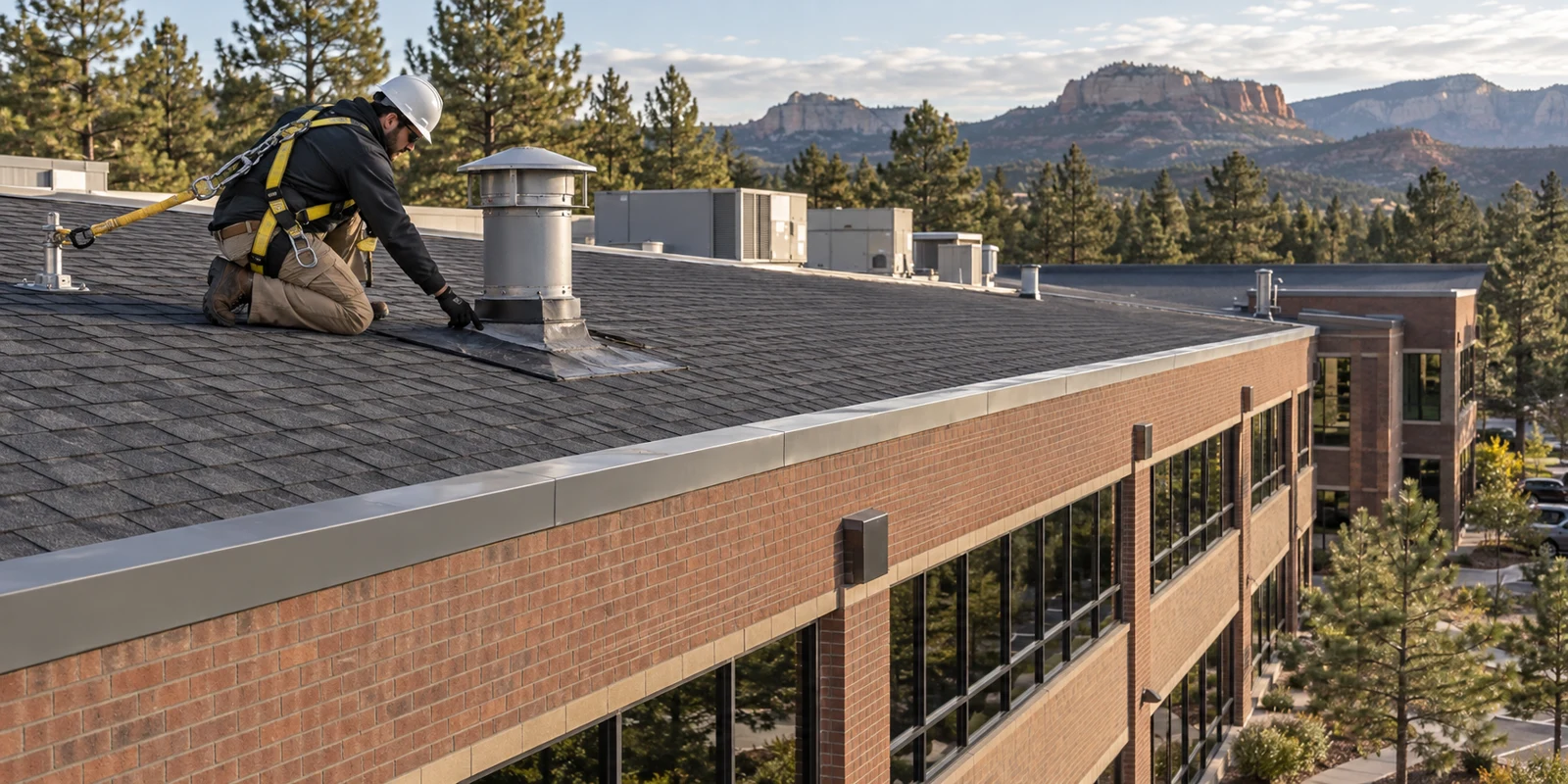
Review manufacturer restrictions and repair options before considering any asphalt shingle treatment.
Explore the service ↗The roof must have material worth retaining. Wet, badly damaged, or unstable areas need attention.
The chosen coating must bond to the roof after the specified cleaning, repair, and priming.
Drainage and the installation weather must meet the actual system’s requirements.
A useful estimate describes repairs, cleaning, primer, treatment around openings, and coating application. New foam, insulation, and replacement work should be identified separately. If two prices differ, compare those items before assuming they cover the same job.
We begin by identifying the existing roof and looking at its condition. Previous coatings, patches, loose materials, and signs of moisture can all affect the recommendation. A coating needs a sound, compatible surface; choosing its color or chemistry is only part of the decision.
The assessment should also look at water flow and roof details. Drains, walls, pipes, equipment supports, and changes between roof sections may need repairs before the broad surface can be coated. Those items belong in the estimate so you can see what restoration actually involves.
A useful coating proposal separates repairs from cleaning, preparation, primer, and finish application. It should identify the roof areas included and explain any material that needs removal. Ask how unexpected damage would be handled if more work becomes apparent during preparation.
Compare proposals using the same roof area and repair requirements. One price may include damaged flashing or wet-material removal while another covers only the coating. That difference can matter more than the quoted price of the finish itself.
Restoration does not end the need for roof care. Keep the product information, completion records, and maintenance instructions. Tell anyone working on rooftop equipment which system is installed so later repairs or openings can be handled compatibly.
If the roof is unsuitable for coating, use the assessment to understand why. Local repairs, replacement of affected sections, or a different roofing project may provide a more useful next step.
If you know the roof is metal, start with the metal coating page. If you are comparing coating types, read the silicone and acrylic guides. You can also call before choosing a service.
Yes. A project may include local repairs, replacement of unsuitable materials, and coating of the remaining roof. The proposal should separate those tasks.
No. The existing material, attachment, moisture condition, damage, and drainage determine eligibility. A flat shape alone is not enough.
Not automatically. New foam roofing includes additional design, material, and installation work. It needs a separate complete-system estimate.
Not as a routine service. Industry guidance advises against field-applied treatments, and the specific shingle manufacturer’s position must be reviewed.
Tell us what is known about the earlier applications and provide records if available. Each remaining surface needs assessment for condition and compatibility. The recommendation should explain what can stay, what needs removal, and which checks are needed before a new coating is selected.
Call (928) 438-8009 to discuss your building and arrange the next step.