Commercial roofing · Northern Arizona
Fort Valley Commercial Roof Coating Contractor
Commercial roof coating in Fort Valley, with careful checks of surface condition, drainage, and the time needed for application and curing.
Get A Free Estimate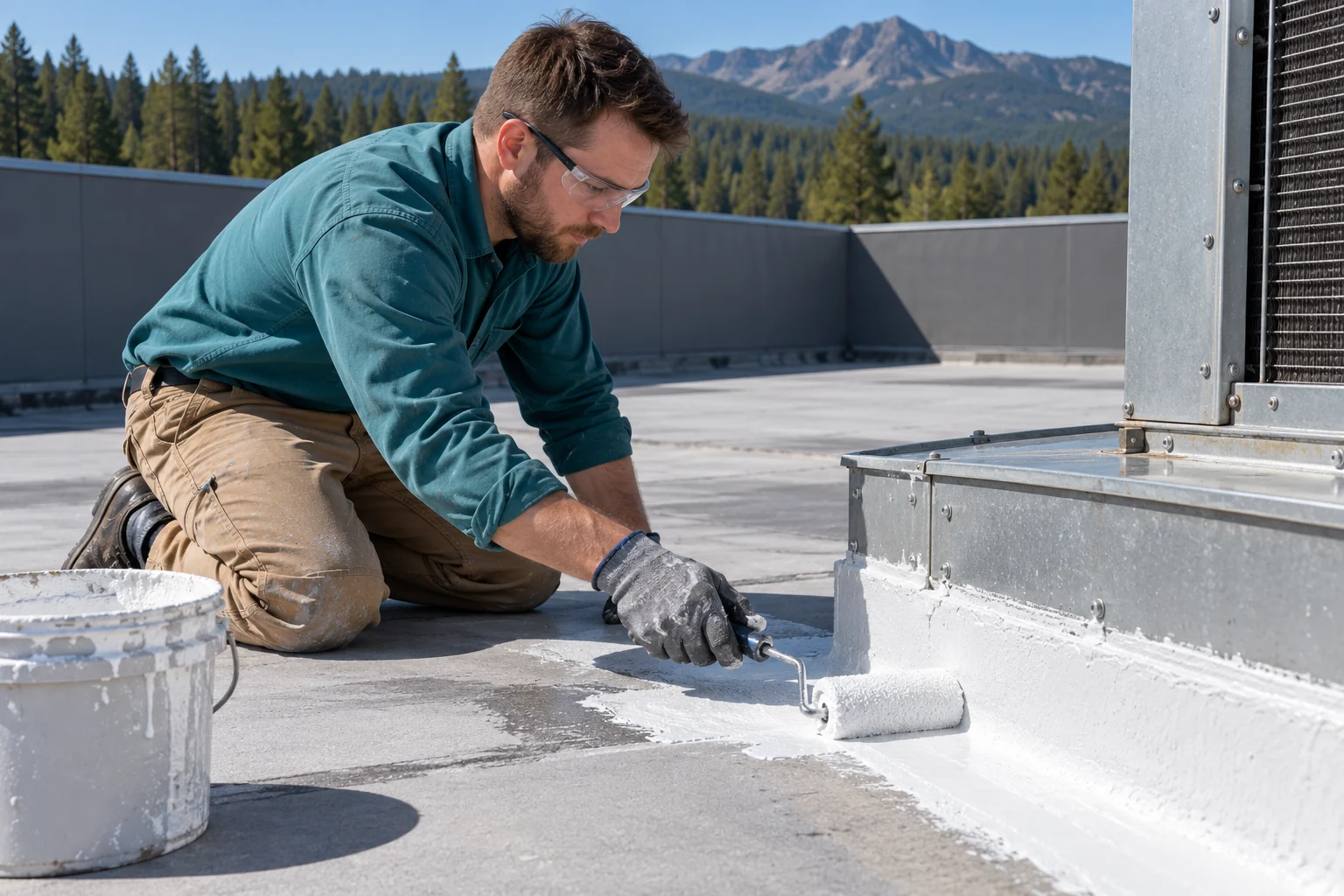
A Roof Must Be Ready Before It Is Coated
We offer coating assessment and restoration for Fort Valley commercial buildings. A roof needs more than a dry-looking finish to qualify. We review the existing material, repairs, moisture concerns, and the selected coating’s compatibility.
Application also depends on the conditions at the building. Surface moisture and temperature can differ from the forecast. Preparation, application, and curing all need to fit the product’s requirements.
Plan For The Full Installation Window
A coating may need time to dry or cure after the crew finishes applying it. Rain, dew, or freezing conditions during that period can affect the schedule. We discuss the proposed system and the conditions needed before committing to a work date.
A delay for unsuitable conditions is different from a finding that the roof cannot be restored. The inspection should make clear whether the concern is timing, surface preparation, or the roof’s underlying condition.
Commercial Roof Coating Options for Fort Valley
We offer metal roof coating, silicone, acrylic, and spray foam roofing. The existing roof and the repairs it needs determine which option fits.
Inspect Your Roof Before Choosing A Finish
Keep known leaks, previous repairs, and drainage concerns in the assessment. If access or surface conditions prevent a complete inspection, those limits need to be recorded. Product selection should follow the findings instead of being decided solely by the preferred start date.
Benefits Of Coating Your Roof
On a suitable roof, coating may retain useful material and avoid some tear-off waste. A carefully scheduled restoration can also reduce disruption compared with more extensive replacement. Future recoating may be possible when the roof remains sound and the proposed system is compatible.
Assess The Surface Before Scheduling
A coating schedule starts with the condition of the roof, not just a date on the calendar. We look at the existing material, earlier treatments, drainage, and any repairs needed before application. Surface moisture and unsuitable conditions can affect both preparation and the choice of work window.
If snow, ice, or access restrictions prevent a complete view, the assessment should identify what remains unchecked. A limited inspection cannot confirm that every concealed or inaccessible part of the roof is ready for coating.
Allow Time For Preparation And Curing
Cleaning, repair materials, primers, and coatings may have different application requirements. A proposal should identify the actual system so its instructions can guide the schedule. Suitable weather at the start of the day may not provide enough time for every stage.
Ask how the work will be sequenced if conditions change. It may be necessary to finish a smaller area or postpone an application. The purpose is to complete the specified system properly, rather than treating the final coat as an isolated task.
Give Drainage Its Own Attention
Water collecting on a roof can involve blocked outlets, damaged details, or low areas. Those conditions need assessment before coating is recommended. Some products allow particular ponding conditions, while others have restrictions that affect suitability.
Even when a finish is suitable for the expected water exposure, the rest of the roof still matters. The supporting materials and connected details need to remain serviceable. Ask the estimate to distinguish drainage work from the coating application.
Consider The Building’s Energy Needs
A reflective coating can reduce the sunlight absorbed by the roof. The effect on annual energy use depends on more than the finish, including insulation and the building’s heating and cooling needs. Avoid treating a general savings percentage as a result established for your property.
If energy performance is a major reason for the project, explain that during assessment. Compare the coating’s role with any insulation or roofing work being considered. The most useful recommendation relates those choices to the building you actually operate.
Frequently Asked Questions
Can You Apply Coating During Cold Weather?
Only when the selected product and roof conditions allow it. There is no single temperature rule that applies to all coatings and preparation products.
Is A Sunny Day Enough To Start?
No. The roof surface and the expected conditions during drying or curing also matter. Dew and overnight temperatures may affect the window.
Can Acrylic And Silicone Use The Same Schedule?
Not automatically. Their application and curing requirements can differ. Review the actual products in the proposal.
What If Part Of The Roof Cannot Be Inspected?
That limitation should be explained and the remaining inspection arranged before relying on assumptions about the concealed or inaccessible area.
Will A Coating Help With Winter Heating Costs?
A reflective coating is not an insulation layer. Any effect on annual energy use needs a building assessment that includes heating, cooling, and existing insulation.
Talk To Us About Your Commercial Roof
Call (928) 438-8009 to discuss your building and arrange the next step.